School Spotlight
What Happens When It's Real
Will Deutschendorf — Blur Martial Arts (Formerly West Coast Martial Arts), San Diego
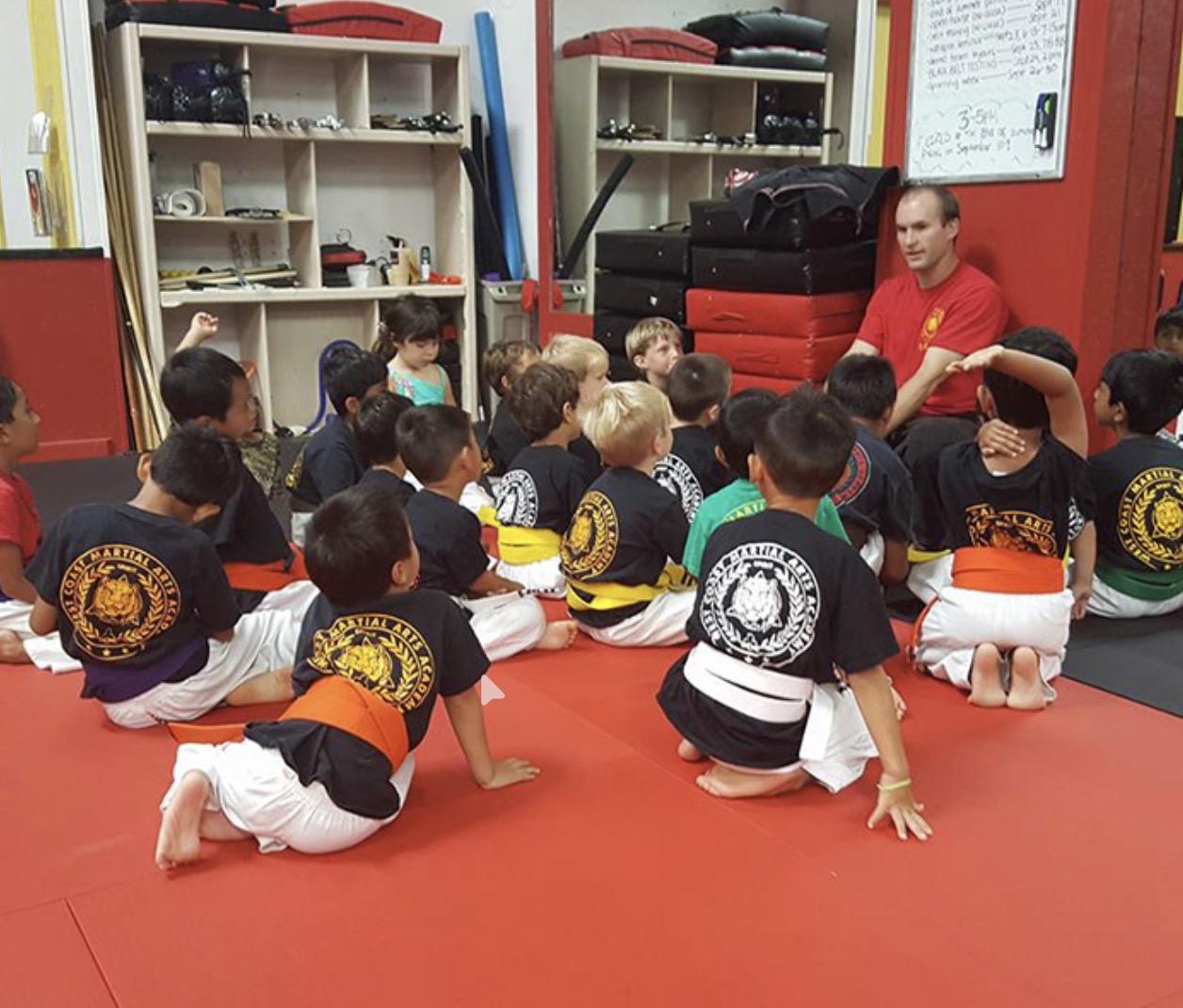
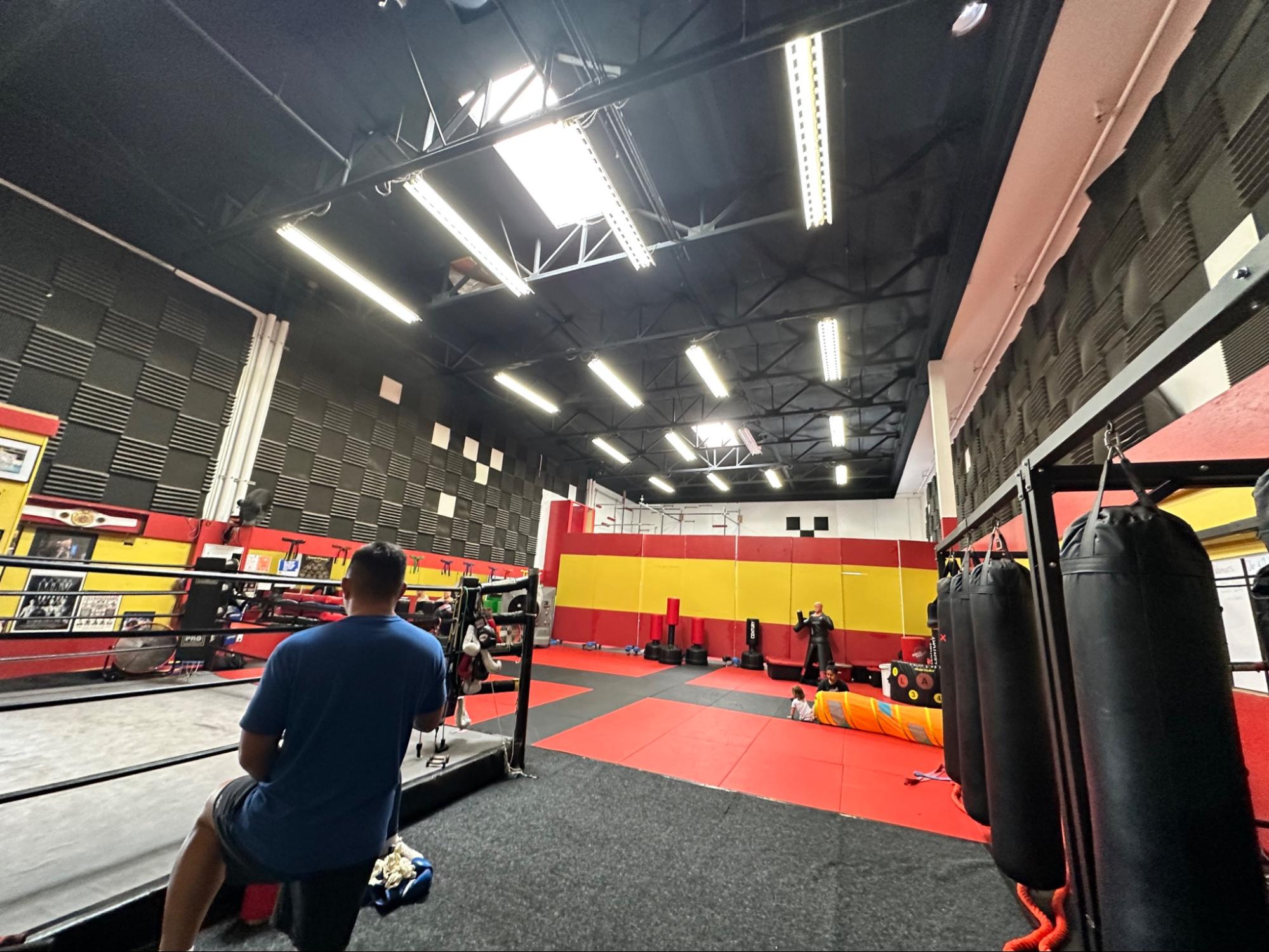
Blur Martial Arts, formerly West Coast Martial Arts, has been part of the Rancho Bernardo and 4S Ranch community for over fifteen years. Located in a business park off Camino del Sur and shared with Redline Athletics, it continues to serve a strong family-centered base. The gym is structured around long-term development, with age-specific classes that allow kids to progress steadily while parents can train alongside them.
The system is broad and adaptable, rooted in Kajukenbo and expanded to include striking, grappling, forms, and kickboxing. The transition to Blur Martial Arts reflects an evolution in branding and approach, while maintaining the same foundational values and community focus established under West Coast Martial Arts.
Website: https://www.4skarate.org/
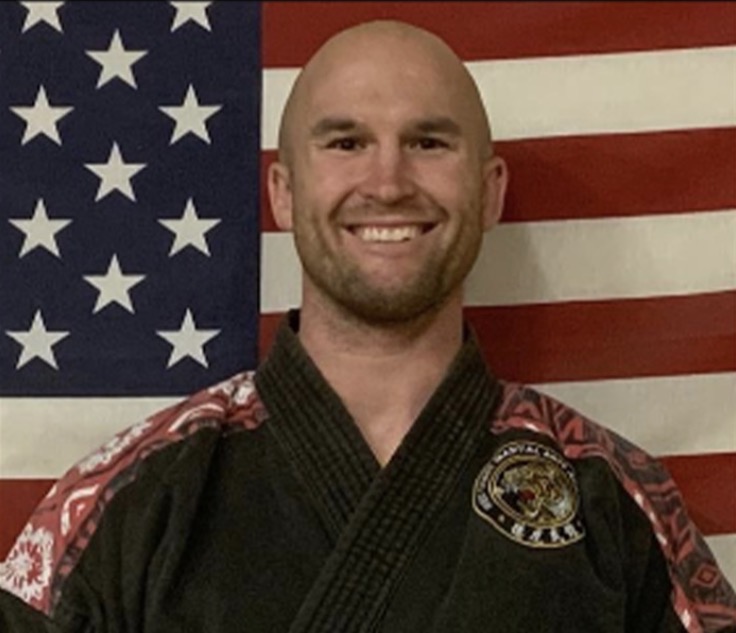
Will Deutschendorf, the head instructor, has spent years around multiple disciplines, wearing multiple black belts, and there's no sense that one style replaces another. The variety is intentional. It's part of how the gym has always grown. What changed was not what they taught, but what they trusted.
Will doesn't talk about bringing SPEAR into his gym as a business decision or a curriculum upgrade. He talks about his brother. Both of them trained — wrestling, point fighting, Kajukenbo — the kind of background that builds real confidence early. His brother could move, could handle himself in a controlled environment, and for a long time that looked like enough. But in a real-world situation, when multiple attackers got involved, that structure broke down. What started as something manageable escalated quickly, and the outcome was serious — head trauma that carried consequences far beyond the moment itself. That experience stayed with Will. Not just as a memory of a fight, but as a clear example of the gap between what people believe their training prepares them for and what actually happens under pressure. Will's most powerful motivator is the desire for his daughters to actually learn effective self-defense, a realization reinforced every time he picks them up from school. When he says he was tired of martial arts that don't actually teach you how to defend yourself, it comes from that.
Inside the gym, the change is subtle if you're just watching a class. The same programs are running. Kids are still training, still building coordination, still moving through striking and grappling. But the role those skills play has shifted. SPEAR is no longer an add-on or a concept layered into existing material. It is the foundation of how self-defense is approached. Combat sports still exist, especially for younger students, but they are framed differently. They develop movement, timing, and resilience, but they are not relied on as the answer when something becomes real. That distinction sits quietly underneath everything being taught.
The moment that clarified that shift for Will wasn't physical. It was seeing the Cycle of Behavior® and understanding the fear loop. Even learning in an environment that didn't suit him, something about that model landed immediately. It explained why people freeze, why techniques disappear, and why knowing something intellectually doesn't mean you can access it under stress. From there, his teaching began to reorganize. Where it had once been more technique-driven, focused on building a toolbox and pressure testing it, it became more about whether that toolbox is actually available when it matters.
That realization also changed how he presents himself as a coach. He doesn't position himself as someone without fear. He speaks openly about experiencing it, and that changes how students relate to him, especially kids. Instead of trying to remove fear from the experience, he works with it. Students see that fear is not a failure point, but something they can move through. The tone of the room shifts without needing to be announced. The training becomes less about performing correctly and more about understanding what's happening in real time.
This year, Blur Martial Arts hosted the 2026 San Diego SPEAR Level 1 Instructor Symposium, something Will stepped into without hesitation. For him, it's not about recognition or visibility. It's about creating a space where people can train together in person. He is clear about the difference between learning online and learning live. The proximity, the corrections, the timing of interactions — all of it contributes to a level of understanding that is difficult to replicate elsewhere. Opening his gym to that process reflects how he sees his role evolving, not just as someone running classes, but as someone contributing to a larger standard.
Looking ahead, his vision for the gym extends beyond physical training. He talks about helping people become safer in a broader sense — physically, mentally, and emotionally — with each layer reinforcing the others. The discipline developed through training supports confidence, and that confidence affects how people move through situations outside the gym. SPEAR sits at the base of that structure, not as a collection of techniques, but as a framework that makes those connections visible and usable. It gives students something they can follow when things are unclear.
Blur Martial Arts still looks like a martial arts school from the outside. Kids training, families involved, a mix of styles moving across the floor. But the intention behind it has sharpened. The focus is no longer on how well something is performed in practice, but on whether it holds up when it matters.